Best Dog Toys for Puppies: 8 Top Picks for Teething and Play (2025)
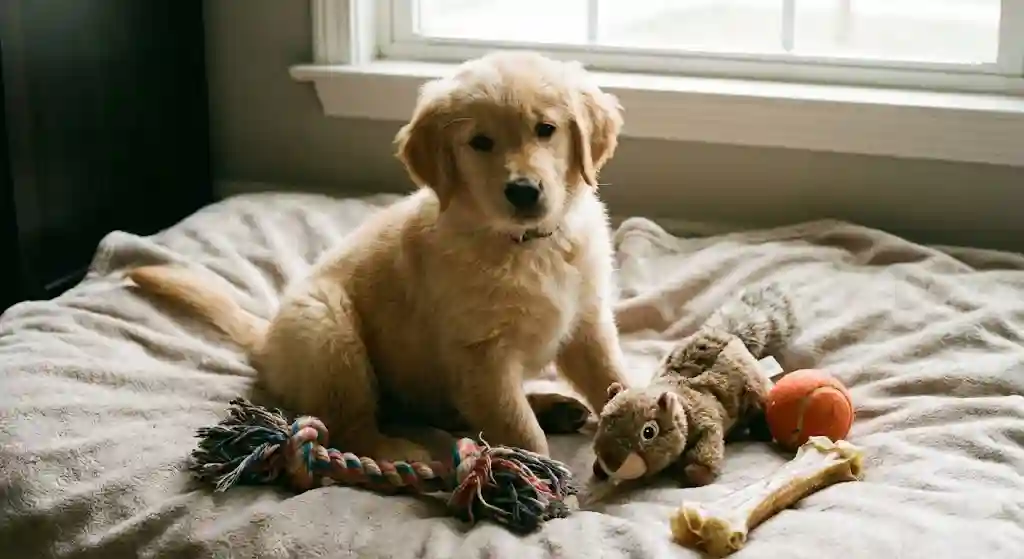
Bringing home a new puppy is exciting, but those tiny teeth can wreak havoc on your furniture, shoes, and hands if you don’t provide appropriate outlets for their natural chewing instincts. The right toys don’t just save your belongings—they support healthy development, soothe teething pain, and provide essential mental stimulation.
But not all dog toys are created equal, and adult dog toys can pose serious safety risks for puppies. Choosing age-appropriate toys designed specifically for growing pups is crucial for their safety and development.
In this comprehensive guide, we’ve researched and tested the best dog toys for puppies across all categories—from durable chew toys to interactive puzzles. Whether you have an 8-week-old teething furball or a 6-month-old bundle of energy, you’ll find the perfect toys to keep your puppy happy, healthy, and appropriately entertained.
What Makes a Great Puppy Toy?
Before diving into specific products, let’s understand what separates safe puppy toys from potentially dangerous ones.
Safety First
Size matters: Toys should be large enough that your puppy can’t swallow them whole but small enough for them to comfortably carry and manipulate. As a general rule, the toy should be larger than your puppy’s throat.
Material safety: Look for non-toxic, BPA-free materials. Avoid toys with small parts, buttons, or eyes that could be chewed off and swallowed. Soft rubber and natural materials are ideal for teething puppies.
Durability without danger: While toys need to withstand chewing, they shouldn’t be so hard they damage developing teeth. Very hard materials like antlers, bones, or hard nylon can crack puppy teeth.
Age-Appropriate Challenge
Puppies develop rapidly. The toy that’s perfect for an 8-week-old might be too simple for a 16-week-old. Choose toys that match your puppy’s current developmental stage while providing just enough challenge to keep them engaged without causing frustration.
Multiple Purposes
The best puppy toys serve multiple functions:
- Teething relief: Soothe sore gums during the teething phase (3-6 months)
- Mental stimulation: Engage their developing brain
- Physical exercise: Provide appropriate activity
- Bonding opportunities: Create positive interactions with you
- Training tools: Reward good behavior and teach new skills
The 8 Best Dog Toys for Puppies
After extensive research and consideration of safety, engagement value, and durability, here are our top picks.
1. KONG Puppy Toy - Best Overall
Why it’s great: The KONG Puppy is made from softer, gentler rubber specifically formulated for developing teeth and gums. This hollow, beehive-shaped toy can be stuffed with treats or frozen with peanut butter for extended entertainment.
Key features:
- Made from puppy-specific soft rubber
- Dishwasher and freezer safe
- Unpredictable bounce for engaging fetch
- Helps teach appropriate chewing behavior
- Available in multiple sizes (Small, Medium, Large)
Best for: All puppies, especially those learning what’s appropriate to chew. Excellent for crate training and separation anxiety.
Age range: 8 weeks to 9 months
Price: $8-15 depending on size
2. Nylabone Puppy Chew Variety Pack - Best for Aggressive Chewers
Why it’s great: Nylabones are specifically designed to satisfy strong chewing urges while being gentle on puppy teeth. The variety pack gives your pup different textures and shapes to explore.
Key features:
- Made from softer material than adult Nylabones
- Variety of flavors (chicken, bacon, peanut butter)
- Different textures massage gums
- Helps clean teeth and reduce plaque
- Long-lasting but not rock-hard
Best for: Power chewers, teething puppies, and pups who need to keep busy.
Age range: Up to 6 months (then transition to regular Nylabone)
Price: $12-20 for variety pack
3. Snuggle Puppy Heartbeat Toy - Best for Comfort
Why it’s great: This plush toy features a battery-powered heartbeat and heat pack that mimics the warmth and rhythm of their mother and littermates, providing comfort during the difficult transition to a new home.
Key features:
- Real-feel pulsing heartbeat (battery-powered)
- Microwaveable heat pack
- Soft, washable plush material
- Reduces crying and anxiety
- No stuffing to tear out
Best for: Very young puppies (8-12 weeks) adjusting to a new home, nighttime comfort, and puppies with anxiety.
Age range: 8 weeks to 4 months
Price: $30-45
4. Outward Hound Hide-A-Squirrel - Best Interactive Toy
Why it’s great: This puzzle toy engages your puppy’s natural hunting instincts. They must figure out how to extract squeaky squirrels from a plush tree trunk, providing mental stimulation and problem-solving practice.
Key features:
- Stimulates natural foraging behavior
- Squeaky toys inside for added excitement
- Available in multiple sizes (4 sizes from Jr. to Jumbo)
- Replacement squirrels available
- Soft and safe for gentle play
Best for: Intelligent breeds, puppies who love squeaky toys, and those needing mental enrichment.
Age range: 12 weeks and up
Price: $10-25 depending on size
5. Chuckit! Ultra Ball - Best for Fetch
Why it’s great: Made from durable rubber that’s gentler than tennis balls (which can wear down teeth), the Chuckit! Ultra Ball bounces high and floats, making it perfect for introducing fetch.
Key features:
- Bright orange color for high visibility
- Bounces higher than standard tennis balls
- Floats in water
- Compatible with Chuckit! Ball Launcher
- Small size perfect for puppy mouths
Best for: Active puppies learning fetch, outdoor play, and water-loving breeds.
Age range: 12 weeks and up (once vaccines allow outdoor play)
Price: $5-12 for small 2-pack
6. ZippyPaws Skinny Peltz - Best Plush Toy
Why it’s great: These adorable no-stuffing plush toys satisfy your puppy’s instinct to shake and carry prey without the mess of traditional stuffed animals. Multiple squeakers keep puppies engaged.
Key features:
- No stuffing means no mess when torn
- 2-3 squeakers per toy
- Soft and cuddly
- Variety of animal characters
- Machine washable
Best for: Gentle chewers, puppies who love to carry toys, and supervised play.
Age range: 8 weeks and up (with supervision)
Price: $8-15 for 3-pack
7. West Paw Zogoflex Tux - Best Treat-Dispensing Toy
Why it’s great: This uniquely shaped treat-dispensing toy keeps puppies busy working for their rewards. The curved design makes it roll unpredictably, adding to the challenge.
Key features:
- Made from ultra-durable, recyclable material
- Dishwasher safe
- Can be filled with kibble, treats, or peanut butter
- Erratic rolling pattern
- Guaranteed tough (West Paw replaces if damaged)
Best for: Food-motivated puppies, slow feeding, and extended engagement.
Age range: 8 weeks and up
Price: $15-20
8. Benebone Puppy Wishbone - Best Long-Lasting Chew
Why it’s great: Made with real bacon flavor infused throughout (not just coated), this nylon chew toy satisfies the urge to gnaw while being durable enough to last weeks or months.
Key features:
- Real bacon flavor throughout (not a coating that wears off)
- Curved design easy for puppies to hold
- Made in USA
- Softer formula for puppy teeth
- Ridges help clean teeth
Best for: Determined chewers, puppies who need to gnaw, and long-lasting entertainment.
Age range: 12 weeks to 9 months (then graduate to adult Benebone)
Price: $10-15
Toys to Avoid for Puppies
Not everything marketed as a dog toy is safe for puppies. Here’s what to skip:
Tennis balls (for heavy chewing): The fuzzy coating can wear down teeth over time, and the rubber isn’t designed for consumption.
Rawhide: Can pose choking hazards and digestive issues. Many vets recommend avoiding rawhide entirely.
Small toys designed for cats or small animals: Choking hazard for even small breed puppies.
Toys with small, removable parts: Buttons, eyes, ribbons, or squeakers that can be extracted are dangerous.
Very hard bones or antlers: Can crack developing teeth. Save these for adult dogs (if at all).
Sticks: Splinters can cause serious mouth and digestive tract injuries.
Your old shoes or socks: Teaching puppies that some shoes are toys while others aren’t is confusing and sets them up for failure.
Age-Specific Recommendations
8-12 Weeks: First Toys
At this age, focus on soft, comforting toys and gentle chews:
- Snuggle Puppy for nighttime comfort
- Soft KONG Puppy for gentle chewing
- Small plush toys for carrying
- Soft rope toys for supervised tug
Play duration: 5-10 minutes several times per day. Puppies this young tire quickly.
3-6 Months: Teething Peak
This is when teething pain peaks. Provide extra chewing options:
- Frozen KONG stuffed with puppy-safe foods
- Puppy-specific Nylabones
- Rubber teething rings
- Frozen washcloths (tie in knot, soak, freeze)
Play duration: 15-20 minute sessions, 3-4 times daily.
6-9 Months: Increased Energy
As your puppy grows, increase mental and physical challenges:
- Interactive puzzle toys
- Fetch toys (Chuckit! balls)
- Tug toys (under supervision)
- Treat-dispensing toys for mental stimulation
Play duration: 20-30 minute sessions, multiple times daily.
9-12 Months: Transitioning to Adult Toys
Around this age, most puppies can graduate to adult-strength toys:
- Regular KONG (instead of Puppy)
- Standard Nylabone products
- More challenging puzzle toys
- Fetch and frisbee toys
How Many Toys Does a Puppy Need?
Quality over quantity. A good starter set includes:
- 2-3 chew toys (different textures)
- 1-2 interactive/puzzle toys
- 1 comfort toy
- 1 fetch toy
- 1 tug toy
Rotation strategy: Keep 3-4 toys available at once and rotate weekly to maintain novelty and interest. Store the rest out of reach.
Safety Tips for Puppy Playtime
Always Supervise
Especially with new toys, watch how your puppy interacts. Remove any toy that’s being destroyed or producing pieces small enough to swallow.
Regular Inspections
Check toys weekly for damage:
- Loose threads or torn fabric
- Cracks in rubber toys
- Pieces breaking off
- Sharp edges
Replace damaged toys immediately.
Size Appropriately
As your puppy grows, some toys will become too small. Monitor fit and upgrade sizes as needed.
Clean Regularly
Bacteria can grow on slobbery toys. Wash rubber and plastic toys with hot, soapy water weekly. Machine-wash plush toys when possible.
Know Your Puppy’s Play Style
Some puppies are gentle; others are destroyers. Match toy durability to your individual puppy’s chewing strength, not just their breed.
Frequently Asked Questions
When can I give my puppy toys?
You can introduce toys as soon as you bring your puppy home (typically 8 weeks old). Start with soft, gentle options and supervise play. Toys help with teething, provide comfort during the transition, and prevent inappropriate chewing.
What’s the best toy for teething puppies?
The KONG Puppy filled with puppy-safe food and frozen overnight provides excellent teething relief. The cold soothes sore gums while the soft rubber is gentle on developing teeth. Puppy-specific Nylabones are also excellent for determined chewers.
Are rope toys safe for puppies?
Rope toys can be safe for supervised play and gentle tugging, but they pose risks if puppies chew off and swallow long strands. Only allow rope toys during supervised play sessions, and replace them when they start fraying significantly.
How often should I replace puppy toys?
Replace toys immediately if they’re damaged (tears, loose pieces, cracks). Even undamaged toys should be replaced every 2-3 months as your puppy grows and graduates to the next size or difficulty level. Rotate toys weekly to keep them interesting.
Can puppies have squeaky toys?
Yes, most puppies love squeaky toys, and they’re generally safe for supervised play. However, if your puppy becomes destructive trying to extract the squeaker, remove the toy and choose options with inaccessible squeakers or no-stuff designs like ZippyPaws.
What if my puppy destroys every toy?
Some puppies are extreme chewers. Focus on indestructible options like black KONG Extreme (even for puppies who are super tough), Benebones, and West Paw toys with guarantees. Avoid plush toys entirely and supervise all play. Consider working with a trainer on appropriate chewing behavior.
Should I let my puppy play with other dogs’ toys?
During the critical vaccination period (before 16 weeks), avoid sharing toys with dogs of unknown health status due to disease transmission risks. Once fully vaccinated, sharing with healthy, known dogs is generally fine, but always supervise and wash toys after shared play.
How do I teach my puppy which toys are theirs?
Consistency is key. Immediately redirect your puppy to their toys whenever they pick up something inappropriate. Reward them enthusiastically for choosing their toys. Never give them old shoes or items that resemble things they shouldn’t chew—it’s confusing for them to distinguish between “okay” and “not okay” shoes.
Final Thoughts
The right toys do more than just entertain—they support healthy development, satisfy natural instincts, and build positive behaviors that last a lifetime. By choosing age-appropriate, safe toys and rotating them to maintain interest, you’re setting your puppy up for a happy, well-adjusted life.
Start with our top picks like the KONG Puppy and Nylabone Puppy Chew Variety Pack, then add specialized toys based on your individual puppy’s preferences and play style. Remember to supervise play, inspect toys regularly, and enjoy this adorable (if occasionally frustrating) stage of puppyhood.
Your puppy will grow up before you know it—make the most of this precious time with safe, engaging toys that support their development every step of the way.
Disclaimer: The content on The Bark Life Co is for informational purposes only and should not be considered veterinary or medical advice. Always consult with a qualified veterinarian for health concerns about your pet.