
Best Dog Bed for Hip Dysplasia: 7 Orthopedic Beds That Actually Help
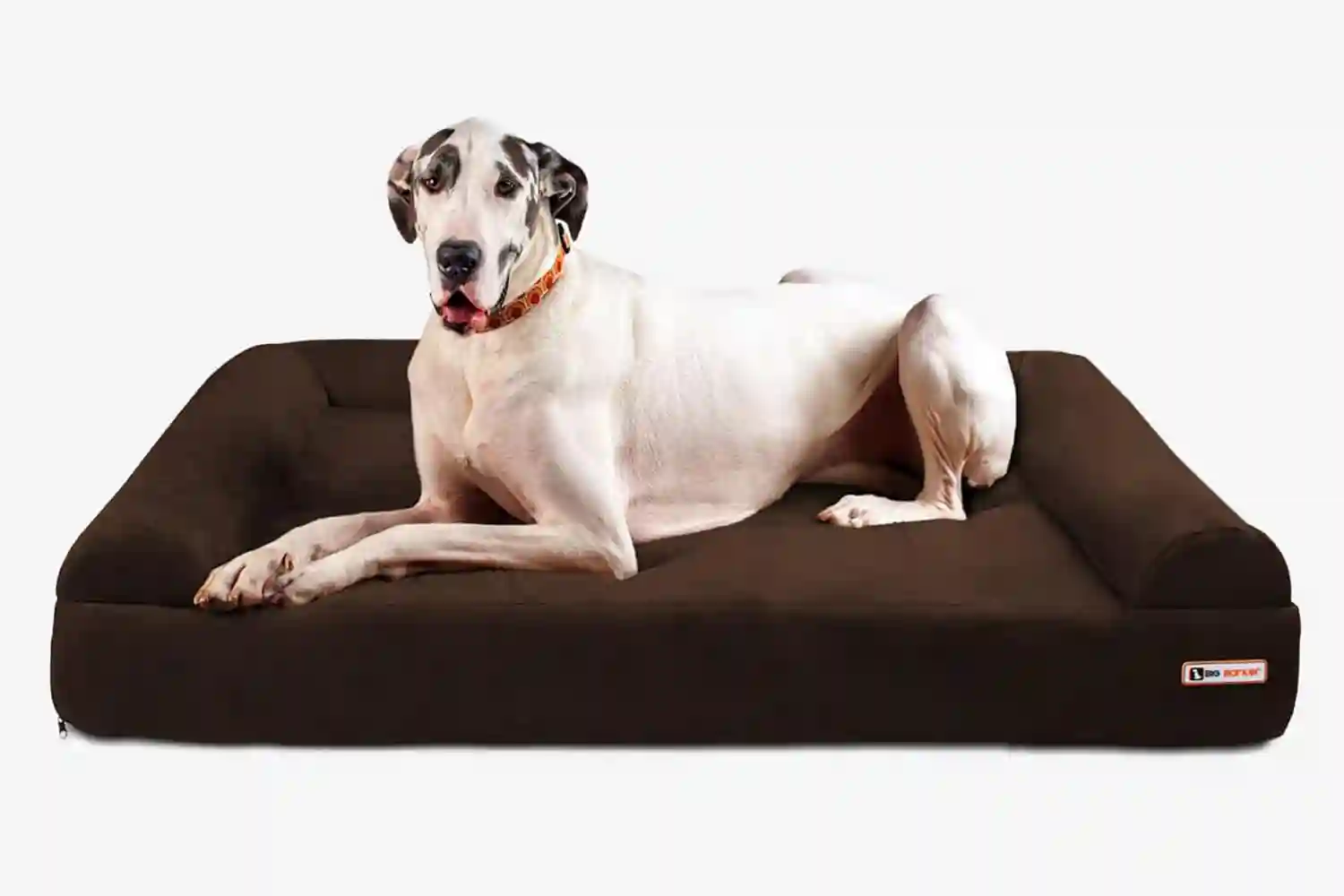
Looking for the best dog bed for hip dysplasia? You need more than just “orthopedic” on the label. Your dog needs proper foam thickness, the right firmness level, and easy entry that won’t stress their joints.
Hip dysplasia affects millions of dogs, with certain breeds showing rates over 10%. The right bed won’t cure the condition, but it can reduce pain, improve sleep quality, and help your dog move more comfortably during the day.
After researching orthopedic bed features recommended by veterinary sources and analyzing what actually makes a difference for dogs with hip dysplasia, we’ve identified the beds that deliver real support.
Quick Picks:
- Best Overall: Big Barker 7” Pillow Top - Maximum support for large breeds
- Best Budget: FurHaven Orthopedic Sofa Bed - Solid support without the premium price
- Best for Small Dogs: PetFusion Ultimate Dog Bed - Perfect thickness for under 40 lbs
- Best Cooling: K9 Ballistics Cooling Orthopedic Bed - Gel-infused memory foam
- Easiest to Clean: Bully Beds Waterproof Orthopedic - Fully washable for incontinent dogs
What Makes a Good Bed for Hip Dysplasia?
Not every “orthopedic” bed actually helps hip dysplasia. Here’s what matters.
Memory Foam Thickness
Your dog needs at least 3 inches of memory foam for proper support. For dogs over 50 pounds with hip dysplasia, 5-7 inches works better.
Thin foam (under 2 inches) compresses too much. Your dog ends up resting on the base, which defeats the purpose of memory foam. Thicker foam distributes weight evenly and prevents pressure points on the hips.
Foam Density and Quality
High-density foam (4+ pounds per cubic foot) maintains support longer. Low-density foam flattens within months, especially under heavier dogs.
Look for CertiPUR-US certified foam. This certification means the foam is made without harmful chemicals and meets performance standards. It’s not just about safety—these foams typically perform better too.
Easy Entry and Exit
Dogs with hip dysplasia struggle with high-sided beds. The effort of climbing in and out can cause pain and discourage them from using the bed.
Low-profile beds or beds with a lowered entry side work best. If you prefer a bolster-style bed, make sure at least one side has a low or flat entry point.
Supportive but Not Rock-Hard
Memory foam should contour to your dog’s body without being too soft. Think supportive cushioning, not a marshmallow.
Too soft means your dog sinks in and struggles to stand up. Too firm means pressure points on the hips. The best beds balance conforming comfort with underlying support.
Washable and Waterproof Covers
Senior dogs with hip dysplasia often develop incontinence issues. A waterproof liner protects the foam, and a removable, machine-washable cover keeps the bed clean.
Memory foam cores can’t go in the washing machine. Without protection, accidents can ruin an expensive bed.
The 7 Best Dog Beds for Hip Dysplasia
1. Big Barker 7” Pillow Top Orthopedic Dog Bed
Best Overall for Large Breeds
Big Barker makes the only bed with a 10-year warranty, and they deliver on support. The 7-inch foam core uses three layers: supportive base foam, microfiber cushioning, and a comfort layer on top.
Why it works for hip dysplasia:
- 7 inches of therapeutic foam prevents bottoming out
- High-density foam rated for dogs up to 300 pounds
- Stays supportive for years (their warranty backs this up)
- Headrest design provides neck and shoulder support
Potential downsides:
- Expensive ($200+ depending on size)
- Takes 48 hours to fully expand
- Heavy—difficult to move when washing the cover
Best for: Large breeds (50+ pounds) with moderate to severe hip dysplasia who need maximum support.
Sizes available: Medium (40”x30”), Large (48”x30”), Giant (52”x36”), Crate Pad versions
2. PetFusion Ultimate Dog Bed & Lounge
Best for Small to Medium Dogs
PetFusion’s bed combines 4 inches of solid memory foam with bolster sides for dogs who like to rest their head. The bolsters aren’t too high, so dogs with hip issues can still get in and out easily.
Why it works for hip dysplasia:
- 4-inch solid memory foam base (no cheap polyester fill)
- Water-resistant cover protects the foam
- Bolsters provide head support without creating a barrier
- Non-skid bottom prevents the bed from sliding
Potential downsides:
- Better suited for dogs under 50 pounds
- Cover material can pill over time with heavy use
- Bolsters may flatten faster than the base
Best for: Small to medium dogs (under 50 pounds) who like bolster-style beds but need easy access.
Sizes available: Small (25”x20”x5.5”), Medium (36”x28”x9”), Large (44”x34”x10”), X-Large (44”x34”x10”)
3. K9 Ballistics Tough Orthopedic Dog Bed
Best for Chewers with Hip Dysplasia
If your dog has hip issues and also destroys beds, the K9 Ballistics bed solves both problems. The cover uses ripstop ballistic fabric—the same material in tactical gear—so it handles chewing.
Why it works for hip dysplasia:
- 5 inches of orthopedic foam provides solid support
- Cooling gel option helps dogs who overheat
- Chew-resistant fabric means the bed lasts longer
- Washable, waterproof liner
Potential downsides:
- Fabric can feel rough compared to plush beds
- More expensive than standard orthopedic beds
- Heavier than most beds due to durable materials
Best for: Dogs with destructive tendencies who also need orthopedic support for hip problems.
Sizes available: Small (20”x25”), Medium (27”x36”), Large (34”x40”), XL (40”x50”)
4. Bully Beds Waterproof Orthopedic Dog Bed
Easiest to Clean
Bully Beds designed this specifically for dogs with incontinence, which often accompanies hip dysplasia in senior dogs. The waterproof shell is sewn into the construction, not just a thin liner.
Why it works for hip dysplasia:
- 7 inches of solid orthopedic foam
- Completely waterproof—liquids don’t penetrate the foam
- Both the cover and foam can be spot-cleaned easily
- Handles dogs up to 200+ pounds
Potential downsides:
- Higher price point ($150-300 depending on size)
- Waterproof materials can make slight crinkling sounds
- Heavier to move around
Best for: Senior dogs with hip dysplasia and incontinence issues who need a bed that’s actually washable.
Sizes available: Small (24”x18”), Medium (34”x22”), Large (40”x26”), XL (46”x28”), XXL (54”x37”)
5. FurHaven Orthopedic Ultra Plush Sofa Bed
Best Budget Option
FurHaven delivers a solid orthopedic bed at a fraction of Big Barker prices. The 3-inch memory foam layer isn’t as thick as premium beds, but it works well for smaller dogs or those with mild hip dysplasia.
Why it works for hip dysplasia:
- 3 inches of egg crate orthopedic foam
- L-shaped bolster provides support without blocking entry
- Machine-washable cover
- Multiple color options
Potential downsides:
- Foam thinner than premium options (better for under 50 pounds)
- May compress faster with heavy daily use
- No waterproof liner included
Best for: Budget-conscious owners with small to medium dogs, or those with mild hip dysplasia.
Sizes available: Small (20”x15”), Medium (30”x20”), Large (36”x27”), Jumbo (44”x35”)
6. Orvis Memory Foam Platform Dog Bed
Best Low-Profile Bed
Orvis makes a completely flat bed with no sides or bolsters. For dogs with severe hip dysplasia who struggle with any kind of barrier, this is the easiest bed to access.
Why it works for hip dysplasia:
- Completely flat design—no climbing required
- 4 inches of memory foam plus support layer
- Non-slip base keeps the bed stable
- Cover is machine-washable and durable
Potential downsides:
- No bolsters or sides for dogs who like head support
- More expensive than similarly-sized competitors
- Cover can fade with repeated washing
Best for: Dogs with severe hip dysplasia or mobility issues who need zero-barrier entry.
Sizes available: Small (24”x18”), Medium (35”x27”), Large (42”x28”), XL (54”x36”)
7. Best Friends by Sheri Ortho Relief Dog Bed
Best Cooling Option for Hot Dogs
Some dogs with hip dysplasia overheat easily, especially when they can’t move around as freely. This bed uses gel-infused memory foam that pulls heat away from your dog’s body.
Why it works for hip dysplasia:
- 4 inches of gel-infused memory foam
- Cooling technology helps regulate temperature
- Raised rim on three sides with low entry on fourth side
- Water-resistant bottom
Potential downsides:
- Gel foam may feel slightly firmer than standard memory foam
- More expensive due to cooling technology
- Limited size options
Best for: Dogs with hip dysplasia who tend to overheat or pant excessively when resting.
Sizes available: Medium (30”x24”), Large (40”x30”), XL (45”x35”)
How to Choose the Right Size Bed
Measure your dog from nose to tail base while they’re lying down in their natural sleeping position. Add 6-12 inches to that measurement.
Dogs with hip dysplasia often stretch out to relieve pressure. If your dog curls up now but used to stretch out, they’re probably compensating for pain. Get the larger size.
General sizing:
- Small breeds (under 25 lbs): Small or Medium beds (24-30 inches)
- Medium breeds (25-50 lbs): Medium or Large beds (30-40 inches)
- Large breeds (50-80 lbs): Large or X-Large beds (40-48 inches)
- Giant breeds (80+ lbs): X-Large or XXL beds (48+ inches)
When in doubt, size up. Dogs don’t complain about extra room, but they do suffer when beds are too small.
What Won’t Help Your Dog’s Hip Dysplasia
Thin Foam Beds
Those $30 “orthopedic” beds at big-box stores? They’re usually 1-2 inches of low-density foam over polyester fill. Your dog will compress through to the floor within weeks.
Real orthopedic beds cost more because they use thicker, higher-density foam. The price difference reflects actual material costs, not just branding.
Ultra-Soft Beds
Plush beds feel luxurious to us, but dogs with hip dysplasia need support, not softness. Sinking into a fluffy bed makes it harder for them to stand up, which stresses the hip joints.
Memory foam that’s too soft also fails to distribute weight properly. Your dog ends up with pressure concentrated on the hips instead of spread across their body.
Elevated Cots (Usually)
Elevated cots work well for some dogs with arthritis because they improve air circulation and reduce pressure. But for dogs with hip dysplasia specifically, getting on and off the cot can be difficult.
If you want to try a cot, get one that’s very low to the ground (6 inches or less) and introduce it gradually.
How to Help Your Dog Transition to a New Bed
Some dogs with hip pain resist new beds because getting up and down hurts. They stick with what they know, even if it’s not helping.
Make the transition easier:
Place the new bed next to the old one. Let your dog investigate it for a few days without pressure.
Add a familiar blanket or toy. Your scent on the new bed makes it more inviting.
Reward them for approaching. Treats near the bed, then on the bed, then for lying down.
Don’t force it. Forcing a dog with hip pain onto a bed can create negative associations.
Try feeding meals on the bed. Positive associations with food can speed up acceptance.
Most dogs transition within 3-7 days once they realize the new bed is more comfortable.
Additional Support for Hip Dysplasia
A good bed helps, but it’s part of a larger management plan.
Weight Management
Extra pounds stress hip joints. If your dog is overweight, talk to your vet about a safe weight loss plan. Even a 5-10% reduction in body weight can significantly reduce hip pain.
Joint Supplements
Glucosamine, chondroitin, and MSM supplements support joint health. They won’t reverse hip dysplasia, but many dogs show improved mobility after several weeks of consistent supplementation.
Physical Therapy
Canine physical therapy builds muscle around the hip joint, which provides more stability. Hydrotherapy (swimming) is especially effective because it’s low-impact.
Anti-Inflammatory Medications
Your vet may recommend NSAIDs or other medications to manage pain and inflammation. These can improve quality of life significantly for dogs with moderate to severe hip dysplasia.
Ramps and Stairs
Reduce the need for your dog to jump on and off furniture or into cars. Ramps and stairs prevent additional stress on the hip joints.
When to Consider Surgery
Hip dysplasia beds help manage the condition, but severe cases may need surgical intervention.
Signs your dog might need surgery:
- Reluctance to walk or play despite pain medication
- Significant muscle loss in the rear legs
- Constant limping or inability to bear weight
- Quality of life declining even with support
Common surgical options include femoral head ostectomy (FHO), double or triple pelvic osteotomy (DPO/TPO), and total hip replacement (THR). Your veterinarian can discuss which option makes sense based on your dog’s age, size, and severity of dysplasia.
Frequently Asked Questions
How thick should a dog bed be for hip dysplasia?
At least 3 inches of memory foam for small dogs, 5-7 inches for large breeds. Thicker foam prevents bottoming out and provides better weight distribution across the hip joints.
Are elevated beds good for dogs with hip dysplasia?
Generally no. Getting on and off an elevated bed can stress hip joints. Flat or low-profile beds work better for most dogs with hip dysplasia unless your dog has concurrent issues where elevation helps.
Can a dog bed cure hip dysplasia?
No. Hip dysplasia is a structural problem with the hip joint. An orthopedic bed reduces pain and improves comfort but doesn’t correct the underlying joint abnormality. Think of it as pain management, not treatment.
How often should I replace an orthopedic dog bed?
Quality orthopedic beds last 2-5 years depending on your dog’s size and the foam quality. Replace the bed when you notice significant compression, permanent indentations, or when your dog seems less comfortable.
Do cooling beds help dogs with hip dysplasia?
Cooling features don’t directly address hip dysplasia, but they help dogs who overheat due to reduced mobility. If your dog pants excessively or seeks cool surfaces, a gel-infused memory foam bed can improve comfort.
Should I get a bolster bed or a flat bed for hip dysplasia?
Flat beds or beds with a low entry side work best. If your dog likes bolsters for head support, choose one with at least one low or open side so they don’t have to climb over a barrier.
What’s the difference between orthopedic foam and memory foam?
“Orthopedic” describes the bed’s purpose (joint support), while “memory foam” describes the material. Most orthopedic beds use memory foam because it contours to the body and relieves pressure points. Some use high-density polyurethane foam or egg-crate foam instead.
Final Thoughts
The best dog bed for hip dysplasia combines thick memory foam, easy access, and durable construction. Big Barker delivers the most support for large breeds, while PetFusion offers a balanced option for smaller dogs.
Don’t fall for marketing labels. Check the foam thickness, density specifications, and actual measurements before buying.
Your dog’s bed is where they spend 12-16 hours per day. For dogs with hip dysplasia, those hours in proper supportive rest directly affect their pain levels and mobility during waking hours.
A quality orthopedic bed costs $150-300, but it lasts years and makes a measurable difference in your dog’s comfort. Compare that to ongoing vet visits for pain management, and the investment makes sense.
Our top recommendation: For most dogs with hip dysplasia, start with the Big Barker if you can afford it, or the FurHaven orthopedic bed if you need a budget option. Both deliver real support—just at different price points and foam thicknesses.
This article is for informational purposes only and is not a substitute for professional veterinary advice, diagnosis, or treatment. Always consult your veterinarian about your dog’s specific health needs and treatment options.
Disclaimer: The content on The Bark Life Co is for informational purposes only and should not be considered veterinary or medical advice. Always consult with a qualified veterinarian for health concerns about your pet.